An Editorial Look at Everyday Rituals
Inside the Quiet Kitchen Ritual Built Around Baking Soda - Honey Gelatin
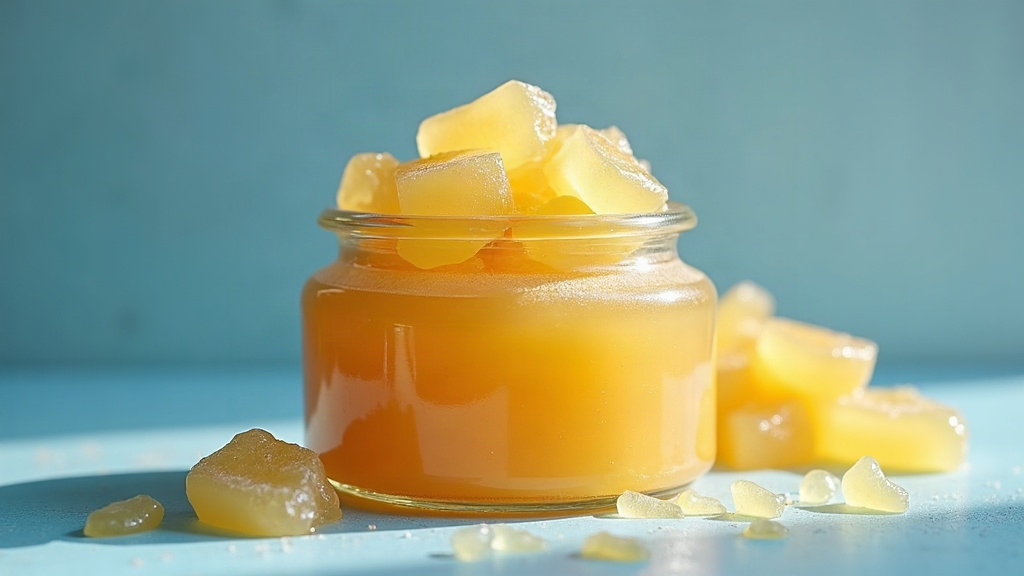
Long before it had a name, men across the Mediterranean stirred baking soda – honey gelatin into their evening routine — not as medicine, but as a pause in the day worth noticing.
The Evening That Started Looking Different
It’s 9:40 on a Tuesday. The kitchen light is on, the dishes are done, and a man in his fifties is standing at the counter doing something he wouldn’t have done ten years ago — reading a label, slower than he used to read anything. Somewhere in the last few years, evenings stopped being simple. This is the quiet backdrop against which a small ritual involving baking soda – honey gelatin has started showing up in kitchen routines, less as a solution and more as a small act of attention.
The 9 PM Wall
A familiar pattern many men in their fifties describe: energy that used to stretch into the evening now seems to end abruptly, right around the time the day is supposed to wind down.
Sleep That Feels Lighter
Waking at 3 AM, scanning the ceiling, scrolling a phone that's too bright — a shift in sleep that arrives quietly and stays uninvited.
The Waistband Conversation
Clothes that used to fit without a second thought start prompting a second thought. Not a verdict, just a nagging awareness that something has changed.
Skipping the Mirror
A smaller, less-discussed shift: the tendency to move faster past the bathroom mirror, avoiding a conversation with oneself that used to feel routine.
The Three-Part Ritual, As It's Practiced
Described across older Mediterranean households, the ritual built around baking soda – honey gelatin is less a formula and more a sequence — three unhurried steps that turn a few minutes at the counter into a deliberate pause before bed.
Warm the Base
A small amount of water is warmed, never boiled — just enough to soften the honey and let it move easily through the mixture.
Stir It Slowly
Baking soda and honey gelatin are folded in together, stirred by hand rather than rushed, a motion some describe as more meditative than functional.
Sit With It
The last step isn’t an ingredient at all — it’s the few quiet minutes spent sitting with the mixture before bed, away from screens, before the day is officially closed.
Myths vs Facts: What's Actually Being Said
As interest in traditional kitchen rituals grows, so does the noise around them. Separating the tradition from the marketing matters — especially for a ritual with a name as plain as baking soda – honey gelatin.
Baking soda and honey are a fast fix for feeling younger.
They’re a kitchen-cabinet ritual, not a clinical intervention — the appeal described by those who practice it is the pause itself, not a promised outcome.
Gelatin is just a modern wellness trend.
Gelatin has appeared in Mediterranean kitchen traditions for generations, long before wellness marketing gave it a new name.
If a little helps, more helps faster.
Traditional preparations were modest and occasional by design, not concentrated or repeated throughout the day.
Where the Ritual Comes From
In coastal households across parts of the Mediterranean, evenings often ended with a small counter ritual passed down more by habit than instruction. Grandmothers kept baking soda in a tin, honey in a jar with a wooden spoon worn smooth, and gelatin as a pantry staple used sparingly. Combined and warmed gently, baking soda – honey gelatin became less a recipe and more a signal — the day’s last task before the house went quiet.
The insight isn’t the ingredient itself — it’s the five quiet minutes carved out of a full day, something that becomes increasingly rare after fifty, when evenings are so often filled with everything except a pause.
Signs Worth Paying Attention To
Sudden, unexplained fatigue
A drop in energy that arrives abruptly rather than gradually deserves a conversation with a healthcare professional, not a home remedy.
Persistent digestive changes
Ongoing discomfort, bloating, or changes in digestion that last more than a few days are worth discussing with a doctor.
Unexplained weight changes
Weight shifts that happen without a clear cause are a signal to seek professional evaluation, not to self-diagnose.
New or worsening joint pain
Pain that intensifies or spreads should be assessed by a physician rather than managed through routine alone.
Shifts in mood lasting weeks
Mood changes that persist beyond a couple of weeks warrant attention from a qualified professional.
Any new symptom after changing a routine
Introducing any new habit, including dietary ones, should be discussed with a healthcare provider beforehand, especially for those managing existing conditions.
Reader Notes From the Routine

Illustrative composite examples. Individual results vary. Not a guarantee.
Questions Readers Keep Asking
No. This content is educational and describes a traditional kitchen habit. It does not diagnose, treat, cure, or prevent any condition.
It’s most often described in older households across Mediterranean regions, passed down informally rather than taught formally.
Traditional accounts describe a loose, modest preparation rather than a fixed formula — consistency of routine seems to matter more than exact measurements.
It refers to a simple combination of baking soda, honey, and gelatin, warmed and stirred together as part of an evening kitchen ritual.
They’re related but not identical — gelatin has a longer culinary history and different preparation methods than many packaged supplements.
Yes. Anyone considering changes to diet or routine, especially with existing health conditions or medications, should speak with a healthcare professional first.
Because the accounts collected here emphasize the pause and consistency of the habit itself, not a specific, guaranteed effect.
Continue Reading Before You Decide
The full report walks through the origin of this Mediterranean ritual, how baking soda – honey gelatin is traditionally prepared, and what readers should know before considering it — presented as editorial context, not a sales pitch.
Advertising Disclosure: This page contains sponsored content and affiliate links. We may receive compensation if you click a link or make a purchase through links on this site. This does not increase the cost to you and helps support the editorial work on this site.
Content Disclaimer: The information provided on this page is for educational and informational purposes only. It has not been evaluated by the FDA. It is not intended to diagnose, treat, cure, or prevent any disease or health condition. Always consult a qualified healthcare professional before making changes to your diet, routine, or lifestyle.
Results Disclaimer: Individual results vary. Testimonials and examples shared on this page are illustrative and are not a guarantee of any specific outcome. No result is promised or implied.
© 2026 · All Rights Reserved · /contact/